
-
×
 PO255 Metcalfe OO/H0 Workers Cottages Kit
1 × £15.70
-
×
 A09184 Airfix Gloster Meteor F8 Korea 1:48 Scale
2 × £46.99
-
×
PO246 Metcalfe OO/H0 Railway Bridge in Red Brick Kit
1 × £17.20
-
×
RATIO 303 Building Sheet - Paving Slabs/Crazypaving - N Gauge
1 × £6.95
-
×
TAMIYA 35127 ISRAELI MERKAVA MBT KIT 1/35
1 × £25.00
-
×
Ratio 206 Loco Servicing Depot - N Gauge
1 × £24.50
-
×
Tamiya 87034 Masking Tape Refill - 10mm
1 × £2.26
-
×
A02302V Airfix Vintage Classics Buffalo & Willys MB Jeep Kit 1:76 Scale
1 × £10.99
-
×
PO232 Metcalfe OO/H0 Goods Shed Kit
2 × £16.00
-
×
PO281 Metcalfe OO/H0 Service Station Kit
1 × £16.80
-
×
DAPOL 2F-036-035 N GAUGE BULK GRAIN HOPPER LMS BAUXITE 701378
1 × £16.30
-
×
 Hornby R30036 Starter diesel train pack with 0-4-0
1 × £89.99
-
×
Javis JXGST Grey X/Fine Granite Chippings 1 - 1.5mm - 220g.
1 × £2.99
-
×
PO216 Metcalfe OO/H0 Red Brick Platform Kit
1 × £16.20
-
×
Revell 32150 Light Blue (Gloss) - 14ml Tinlet
1 × £3.25
-
×
Italeri 26102 WWII German Aircraft Weapons Set No.2 1/72 Scale
1 × £22.50
-
×
REVELL 03841 F-15E Strike Eagle 1/72 SCALE
1 × £32.95
-
×
ACADEMY PKAY12348 USAF Fairchild Republic A-10C Thunderbolt II "75th FS Flying Tigers" 1/48
1 × £40.00
-
×
PO289 Metcalfe OO/H0 Fire Station Kit
1 × £20.20
-
×
Bolt Action 402012030 - Afrika Korps 1/56
1 × £37.00
-
×
ERTL JD 549 john deere hydra-push spreader
1 × £25.00
-
×
AIRFIX A55001 SMALL BEGINNERS SET SUPERMARINE SPITFIRE MKVC
1 × £11.99
-
×
Airfix A55010 Starter Set - Lockheed Martin F-35B Lightning II
1 × £19.99
-
×
Dapol 2F-038-062 N Gauge 20T Steel Mineral Cambrian Wagon Works 90017 Whtrd
1 × £16.00
-
×
PO240 Metcalfe OO/H0 Double Track Red Brick Viaduct Kit
1 × £19.00
-
×
LIMA 305644A2 Milk Tank Wagon CWS W44520
1 × £19.99
-
×
ALL GAME TERRAIN G6558 Surface Boulders
1 × £10.96
-
×
J6005 Airfix QUICKBUILD F22 Raptor
1 × £14.99
-
×
J6016 Airfix QUICKBUILD P-51D Mustang
1 × £14.99
 A09184 Airfix Gloster Meteor F8 Korea 1:48 Scale
 PO246 Metcalfe OO/H0 Railway Bridge in Red Brick Kit
 RATIO 303 Building Sheet - Paving Slabs/Crazypaving - N Gauge
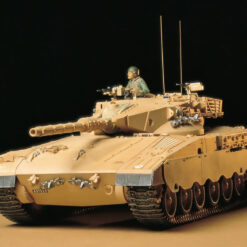 TAMIYA 35127 ISRAELI MERKAVA MBT KIT 1/35
 Ratio 206 Loco Servicing Depot - N Gauge
 Tamiya 87034 Masking Tape Refill - 10mm
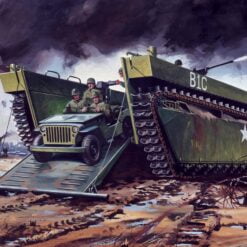 A02302V Airfix Vintage Classics Buffalo & Willys MB Jeep Kit 1:76 Scale
 PO232 Metcalfe OO/H0 Goods Shed Kit
 PO281 Metcalfe OO/H0 Service Station Kit
 DAPOL 2F-036-035 N GAUGE BULK GRAIN HOPPER LMS BAUXITE 701378
 Hornby R30036 Starter diesel train pack with 0-4-0
 Javis JXGST Grey X/Fine Granite Chippings 1 - 1.5mm - 220g.
 PO216 Metcalfe OO/H0 Red Brick Platform Kit
 Revell 32150 Light Blue (Gloss) - 14ml Tinlet
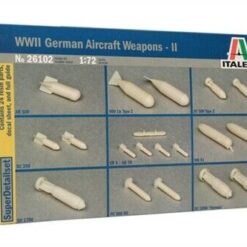 Italeri 26102 WWII German Aircraft Weapons Set No.2 1/72 Scale
 REVELL 03841 F-15E Strike Eagle 1/72 SCALE
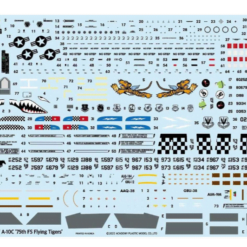 ACADEMY PKAY12348 USAF Fairchild Republic A-10C Thunderbolt II "75th FS Flying Tigers" 1/48
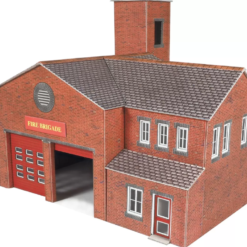 PO289 Metcalfe OO/H0 Fire Station Kit
 Bolt Action 402012030 - Afrika Korps 1/56
 ERTL JD 549 john deere hydra-push spreader
 AIRFIX A55001 SMALL BEGINNERS SET SUPERMARINE SPITFIRE MKVC
 Airfix A55010 Starter Set - Lockheed Martin F-35B Lightning II
 Dapol 2F-038-062 N Gauge 20T Steel Mineral Cambrian Wagon Works 90017 Whtrd
 PO240 Metcalfe OO/H0 Double Track Red Brick Viaduct Kit
 LIMA 305644A2 Milk Tank Wagon CWS W44520
 ALL GAME TERRAIN G6558 Surface Boulders
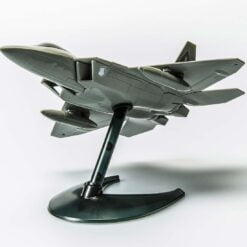 J6005 Airfix QUICKBUILD F22 Raptor
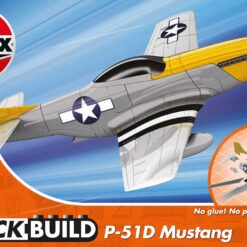 J6016 Airfix QUICKBUILD P-51D Mustang


A04023 de Havilland Mosquito B.XVI
£23.99
Out of stock
Without question, the de Havilland Mosquito qualifies as one of the finest fighting aeroplanes of the Second World War and one which could claim to be the envy of every other air force, particularly the Luftwaffe, who tried, but never quite managed to produce an equivalent aircraft. A true multi-role aircraft, the Mosquito’s famous nickname ‘The Wooden Wonder’ referenced the fact that this hugely successful British aircraft was constructed using ‘non-strategic’ materials and employed a clever system of balsa and birch plywood lamination, which gave the aircraft great strength. Although they relied on the performance and survivability of their Mosquitos, men in these units would often take its nickname a stage further and affectionately refer to their aircraft as ‘Flying Furniture’.
Developed and tested largely as a private venture and without interference from the Air Ministry, once they saw what de Havilland had managed to produce, the Ministry were suitably impressed and immediately placed an order for 150 aircraft, with the Mosquito quickly attracting a ‘priority status’ production requirement. The Mosquito was one of the fastest aircraft in the world at that time and one which would prove to be something of an aviation phenomenon – although initially intended as a high speed bomber, Mosquitos would also operate as day and night fighters, pathfinders, night intruders, maritime strike and reconnaissance aircraft.
Once the first production aircraft started reaching RAF squadrons towards the end of 1941, the de Havilland Mosquito quickly showed itself to be one of the most valuable assets available to the Royal Air Force, a real war winner and one which would serve with distinction for the remainder of the conflict. Originally conceived as a high speed bomber for the RAF, the final major bomber variant of the de Havilland Mosquito was the B.XVI, with deliveries to front line squadrons starting from 1944. This was a development of the earlier B.IX variant and one which had been optimised for high altitude operation, incorporating a new pressurised cabin. Another unarmed version of the Mosquito, the B.XVI could carry a 3,000lb bomb load, however, all but the first 12 aircraft from a total production run of 402 machines incorporated modifications to allow a 4,000lb ‘Cookie’ or blockbuster bomb to be carried internally, a weapon which possessed devastating destructive capability.
Combining the power of these fearsome weapons with the legendary speed and bombing accuracy associated with Mosquito operations allowed Bomber Command to keep the pressure on the enemy throughout the latter stages of WWII. Interestingly, these huge bombs were exactly four times the weight of the original bomb load this exceptional aircraft was designed to carry, which is testament to the strength of the Mosquito’s construction techniques. Optimised for high altitude operations, this final major bomber variant of the Mosquito could be powered by several different ‘seventy series’ versions of the Rolls Royce Merlin engine, in addition to incorporating a modified wing, which could now accept either a 50 or 100 gallon paper drop-tank on either side and up to four externally mounted 500lb bombs, further enhancing the strategic capabilities of this superb aircraft.
By the end of its ten year production run, which began in 1940, almost 8,000 of these highly effective warplanes had been constructed. For an aircraft which earned such an impressive wartime reputation, it is sobering to think that the Mosquito may have been stopped in its tracks, as Air Ministry officials were initially concerned that work on this new aircraft project might disrupt production of the Tiger Moth training biplane, something they could not allow to happen. Thankfully, designers at de Havilland knew they were on to a winner and were determined to see their magnificent new aircraft fly.
| Weight | 0.4 kg |
|---|---|
| Barcode | |
| Manufacturer | |
| Manufacturer Part number |
Only logged in customers who have purchased this product may leave a review.


Reviews
There are no reviews yet.