
-
×
 PO237 Metcalfe OO/H0 Country Station Kit
1 × £19.75
-
×
 Peco ST-204 Long Straight
1 × £7.45
-
×
REVELL 63835 Model Set Sports Plane "Builder's Choice" 1:32 SCALE SET
1 × £41.95
-
×
MISTER CRAFT 070014 1:72 F-35A LIGHTNING II KIT
1 × £46.99
-
×
Airfix A06108 de Havilland Vampire FB.5/FB.9
1 × £34.99
-
×
Revell 32142 Yellowish Olive (Matt) - 14ml Tinlet
1 × £3.25
-
×
 PREISER 10767 CHILDREN PLAYING (5) EXCLUSIVE FIGURE SET HO/OO
1 × £16.75
-
×
Peco PL-10E Turn Out Motor
1 × £10.20
-
×
HELJAN HN9624 NVX CAR CARRIER SET BR BLUE/GREY E96291/294/299E
1 × £229.00
-
×
Italeri 2813 BAE Hawk T Mk 1 Model Aircraft Kit
1 × £34.99
 Peco ST-204 Long Straight
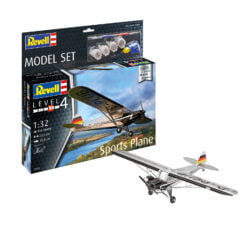 REVELL 63835 Model Set Sports Plane "Builder's Choice" 1:32 SCALE SET
 MISTER CRAFT 070014 1:72 F-35A LIGHTNING II KIT
 Airfix A06108 de Havilland Vampire FB.5/FB.9
 Revell 32142 Yellowish Olive (Matt) - 14ml Tinlet
 PREISER 10767 CHILDREN PLAYING (5) EXCLUSIVE FIGURE SET HO/OO
 Peco PL-10E Turn Out Motor
 HELJAN HN9624 NVX CAR CARRIER SET BR BLUE/GREY E96291/294/299E
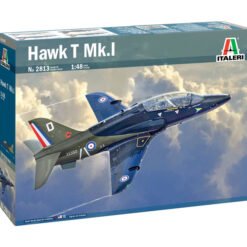 Italeri 2813 BAE Hawk T Mk 1 Model Aircraft Kit


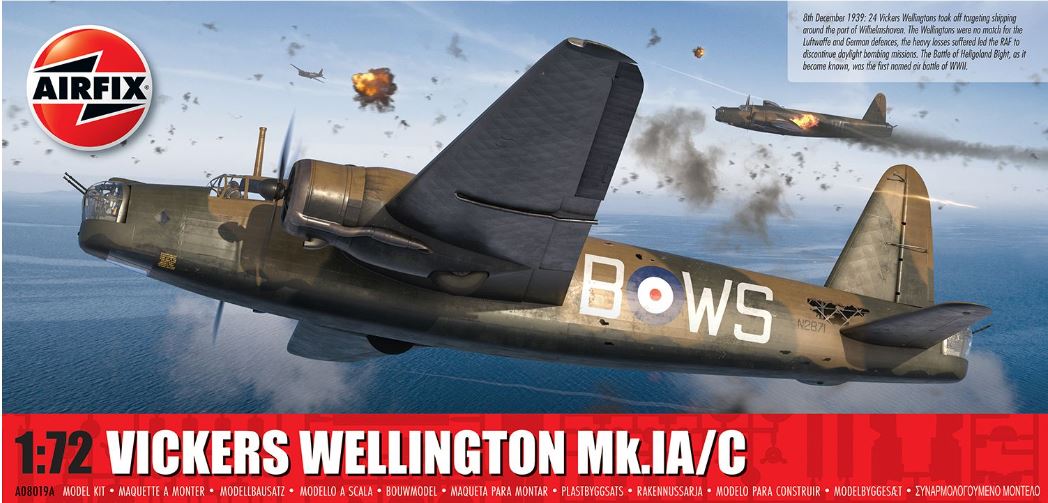


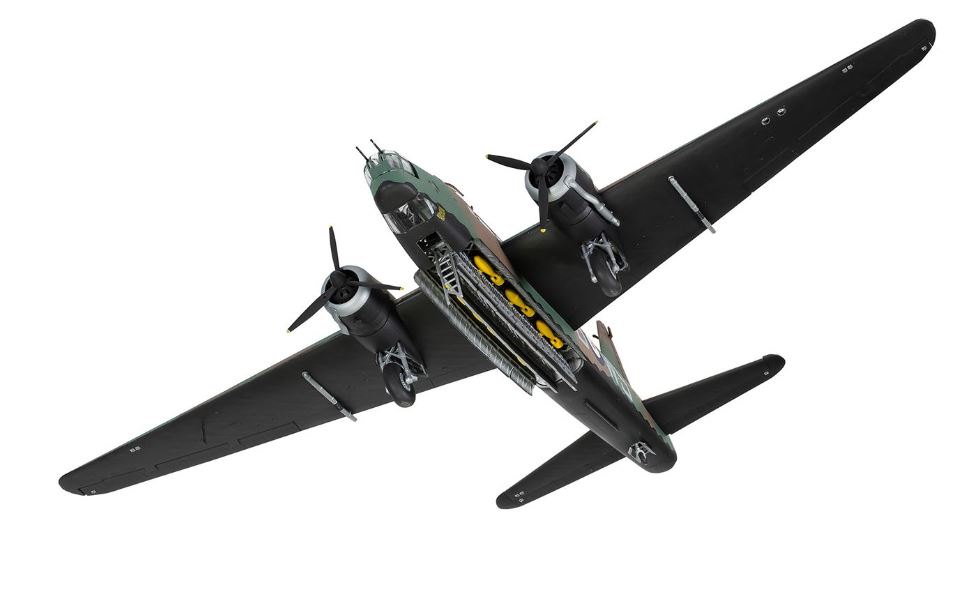
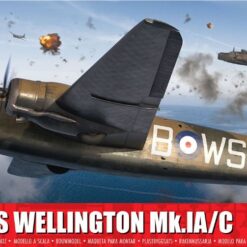
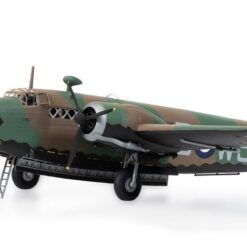
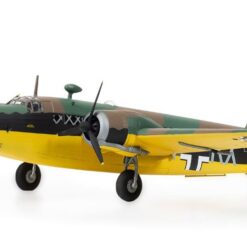
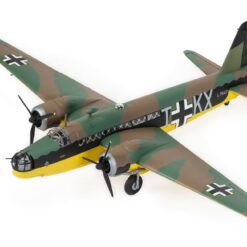

Airfix A08019A Vickers Wellington Mk.IA/C
£41.99
1 in stock
The most capable medium bomber of the day was the twin-engine Vickers Wellington, which first flew in 1936 and entered RAF service with No.99 Squadron at Mildenhall in October 1938. The production aircraft bore little resemblance to the prototype aircraft and compared to contemporary medium bombers already in service, the Wellington appeared to be much more advanced in design and an aircraft feared by any potential enemy. Its sleek monoplane design and heavy defensive armament placed the new Wellington as one the advanced and capable medium bombers in the world.
Perhaps the most significant feature of the Wellingtons design was the adoption of a geodetic construction method, which was developed by famous British engineer and inventor Barnes Wallis. Duralumin W-beams were used to form a metal lattice-work construction on to which wooden battens would be screwed, which would then allow the doped fabric outer skin of the aircraft to be attached.
The resultant fuselage was relatively light in weight but possessed great strength and whilst the method o construction posed challenged for companies engaged in manufacturing Wellington bombers, the inherent strength proved crucial when the aircraft was thrust into combat.
Capable of withstanding significant battle damage, numerous RAF Wellingtons managed to bring their crews back home, when the other bombers would have failed to do so.
| Weight | 0.7 kg |
|---|---|
| Barcode | |
| Manufacturer | |
| Manufacturer Part number |
Only logged in customers who have purchased this product may leave a review.
Related products


Sale!


Reviews
There are no reviews yet.