
-
×
 Humbrol No.66 OLIVE DRAB 14ml MATT Enamel Tinlet
1 × £2.99
-
×
 Humbrol AA0028 No.2 EMERALD GREEN 14ml GLOSS Enamel Tinlet
1 × £2.99
-
×
Humbrol No.127 US GHOST GREY 14ml SATIN Enamel Tinlet
1 × £2.99
-
×
Humbrol No.61 FLESH 14ml MATT Enamel Tinlet AA0669
1 × £2.99
-
×
Humbrol No.49 MATT VARNISH 14ml MATT Enamel Tinlet AA0535
1 × £2.99
-
×
Humbrol AA252 RLM82 Olivgrun Matt Enamel
1 × £2.99
-
×
Humbrol No.243 RLM72 Grun 14ml MATT Enamel Tinlet
1 × £2.99
-
×
BACHMANN 38-049 MTA Open Wagon Ex-Loadhaul (EWS) [W, WL]
1 × £37.96
-
×
Dapol A011 Dapol Unpainted Fruit Van
1 × £8.40
-
×
Bachmann 37-072 5 Plank Wagon Wooden Floor W. H. Wallis & Co Red
1 × £19.96
-
×
DAPOL 4F-038-102 20T WEST MIDLANDS ELECTRICITY WAGON
1 × £11.99
-
×
LIMA 305644A2 Milk Tank Wagon CWS W44520
1 × £19.99
-
×
HORNBY R60016 Hornby 2021 Wagon
1 × £19.99
-
×
EFE RAIL E87041 SPA OPEN WAGON (EX-EWS) DB SCHENKER WEATHERED
1 × £42.95
-
×
DAPOL 4F-018-033 OO Gauge Salt Van Saxa 255
1 × £12.50
-
×
FTX TRACER HI-CAPACITY LI-ION 7.4V 1500MAH BATTERY PACK (FOR BRUSHED) WITH DEANS CONNECTOR
1 × £13.99
-
×
Roden 809 M42 us 3/4 ton 4x4 Command truck
1 × £49.99
-
×
OXFORD DIECAST 76APR003 Aveling & Porter Road Roller 11496 Cumbria Lady 1.76
1 × £20.95
-
×
Airfix A06108 de Havilland Vampire FB.5/FB.9
1 × £34.99
-
×
HORNBY R3371 RailRoad LNER 4-6-2 ' A4 Class 'Mallard 4468
1 × £134.50
-
×
DAPOL 2D-023-003 Class 221 5 Car Set 221136 Cross Country N GAUGE
1 × £251.50
 Humbrol AA0028 No.2 EMERALD GREEN 14ml GLOSS Enamel Tinlet
 Humbrol No.127 US GHOST GREY 14ml SATIN Enamel Tinlet
 Humbrol No.61 FLESH 14ml MATT Enamel Tinlet AA0669
 Humbrol No.49 MATT VARNISH 14ml MATT Enamel Tinlet AA0535
 Humbrol AA252 RLM82 Olivgrun Matt Enamel
 Humbrol No.243 RLM72 Grun 14ml MATT Enamel Tinlet
 BACHMANN 38-049 MTA Open Wagon Ex-Loadhaul (EWS) [W, WL]
 Dapol A011 Dapol Unpainted Fruit Van
 Bachmann 37-072 5 Plank Wagon Wooden Floor W. H. Wallis & Co Red
 DAPOL 4F-038-102 20T WEST MIDLANDS ELECTRICITY WAGON
 LIMA 305644A2 Milk Tank Wagon CWS W44520
 HORNBY R60016 Hornby 2021 Wagon
 EFE RAIL E87041 SPA OPEN WAGON (EX-EWS) DB SCHENKER WEATHERED
 DAPOL 4F-018-033 OO Gauge Salt Van Saxa 255
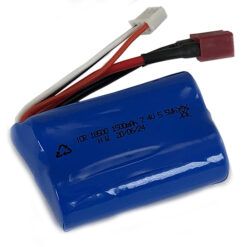 FTX TRACER HI-CAPACITY LI-ION 7.4V 1500MAH BATTERY PACK (FOR BRUSHED) WITH DEANS CONNECTOR
 Roden 809 M42 us 3/4 ton 4x4 Command truck
 OXFORD DIECAST 76APR003 Aveling & Porter Road Roller 11496 Cumbria Lady 1.76
 Airfix A06108 de Havilland Vampire FB.5/FB.9
 DAPOL 2D-023-003 Class 221 5 Car Set 221136 Cross Country N GAUGE


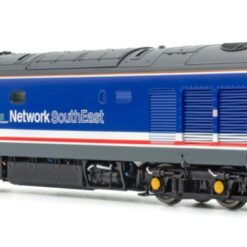
HORNBY R30187 RailRoad Plus NSE, Class 47, Co-Co, 47598 – Era 9
£97.00
Out of stock
Product Info
The British Rail Class 47 is a class of British railway diesel-electric locomotive that was developed in the 1960s by Brush Traction. A total of 512 Class 47s were built at Crewe Works and Brush’s Falcon Works, Loughborough between 1962 and 1968, which made them the most numerous Class of British mainline diesel locomotive. They were classified as Type 4s.They were fitted with the Sulzer 12LDA28C twin-bank twelve-cylinder unit producing 2,750 bhp (2,050 kW) – though this was later derated to 2,580 bhp (1,920 kW) to improve reliability – and have been used on both passenger and freight trains on Britain’s railways for over 50 years. Despite the introduction of more modern types of traction, a significant number are still in use, both on the mainline and on heritage railways. As of October 2016, 81 locomotives still exist as Class 47s, with further examples having been converted to other classes; 30 retain “operational status” on the mainline.By 1986, only five of the original 512 locomotives had been withdrawn from service, all because of serious accident damage. However, with work for the Class declining due to the introduction of new rolling stock and spare parts becoming difficult to source, some inroads started being made.The first locomotives to be targeted were the non-standard pilot batch of 20, now numbered 47 401-47 420. Three locomotives were withdrawn as life-expired in February 1986 and the remainder of the batch that had not recently been overhauled followed in the next two years. All 20 were withdrawn by 1992.Meanwhile, BR drew up a ‘hit-list’ of locomotives for early withdrawal, mainly including those with non-standard electrical equipment, known as series parallel locomotives. In the outset, withdrawals were slow, mainly due to the surplus of spare parts and new flows of freight traffic which required extra locomotives; only 61 locomotives had been withdrawn by the end of 1992. However, with the introduction of new locomotives, the rate of withdrawal quickly rose, with 86 more 47s reaching the end of their lives in the next three years. With most of the non-standard locomotives withdrawn, the reduction of the fleet again proceeded more slowly. The privatisation of British Rail also produced new independent rail companies needing available traction until they could order new locomotives. From 1996 to 2006, an average of around fifteen locomotives per year were taken out of service.
Tech Specs
Item Length – Without Packaging (cm)
25.1
Item Height – Without Packaging (cm)
5
Item Width – Without Packaging (cm)
3.5
Item Weight – Without Packaging
0.23
Item Scale
1:76 Scale 00 Gauge
Finish
Painted
Colour
Blue
DCC Status
DCC Ready 8 pin socket
Operator
NSE
Designer
Brush Traction
Livery
NSE Revised
Minimum Curve (mm)
Radius 2
Motor
5 Pole Skew wound
Number of Parts
1
Class
Class 47

| Weight | 0.7 kg |
|---|---|
| Barcode | |
| Manufacturer | |
| Manufacturer Part number |
Only logged in customers who have purchased this product may leave a review.



Reviews
There are no reviews yet.