
-
×
 Lego 60415 Police Car and Muscle Car Chase
1 × £17.99
-
×
 CADA C55108W Mini Grey Circuit Racing Car - 70 pcs
1 × £4.00
-
×
PN931 Metcalfe N Gauge Single Track Engine Shed (Red Brick) Kit
1 × £12.00
-
×
TASMA 00989 N Gauge Flowering Hedges (8 per pack)
1 × £7.00
-
×
PN182 Metcalfe N Gauge Warehouse Kit
1 × £12.60
-
×
Ratio 216 N Gauge Lineside Fencing (White) Kit
1 × £6.76
-
×
RATIO 247 Locomotive Coaling Tower - N Gauge
1 × £32.56
-
×
RATIO 303 Building Sheet - Paving Slabs/Crazypaving - N Gauge
1 × £6.95
-
×
GRAHAM FARISH 371-336SF Class 150/1 2-Car DMU 150133 BR GMPTE RR
1 × £339.95
-
×
OXFORD DIECAST 76APR003 Aveling & Porter Road Roller 11496 Cumbria Lady 1.76
1 × £20.95
-
×
REVELL 03841 F-15E Strike Eagle 1/72 SCALE
1 × £32.95
-
×
OXFORD DIECAST 76VWS010 VW T1 Camper Titan Red/Beige Grey
1 × £10.96
-
×
Dapol 7F-016-008 Banana Van Geest Bauxite Large Logo B880898 O GAUGE
1 × £55.80
-
×
 Airflow wooden propeller 12x1 E-WP1210
1 × £4.00
-
×
Revell 03335 German Command Armoured Vehicle Sd.Kfz.247 Ausf.B
1 × £37.00
-
×
Ratio 227 N Gauge Weigh Bridge and Office Hut Kit
1 × £9.96
-
×
PO321 Metcalfe OO/H0 Parcel Offices Kit
1 × £24.00
-
×
PN143 Metcalfe N Gauge Tunnel Entrances Single Track Kit
1 × £9.00
-
×
Ratio 206 Loco Servicing Depot - N Gauge
1 × £24.50
-
×
RAPIDO 914007 HR ‘Jones Goods’ 4-6-0 – BR Lined Black No.57925
1 × £219.95
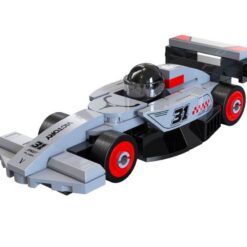 CADA C55108W Mini Grey Circuit Racing Car - 70 pcs
 PN931 Metcalfe N Gauge Single Track Engine Shed (Red Brick) Kit
 TASMA 00989 N Gauge Flowering Hedges (8 per pack)
 PN182 Metcalfe N Gauge Warehouse Kit
 Ratio 216 N Gauge Lineside Fencing (White) Kit
 RATIO 247 Locomotive Coaling Tower - N Gauge
 RATIO 303 Building Sheet - Paving Slabs/Crazypaving - N Gauge
 GRAHAM FARISH 371-336SF Class 150/1 2-Car DMU 150133 BR GMPTE RR
 OXFORD DIECAST 76APR003 Aveling & Porter Road Roller 11496 Cumbria Lady 1.76
 REVELL 03841 F-15E Strike Eagle 1/72 SCALE
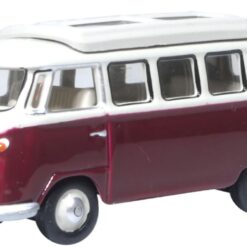 OXFORD DIECAST 76VWS010 VW T1 Camper Titan Red/Beige Grey
 Dapol 7F-016-008 Banana Van Geest Bauxite Large Logo B880898 O GAUGE
 Airflow wooden propeller 12x1 E-WP1210
 Revell 03335 German Command Armoured Vehicle Sd.Kfz.247 Ausf.B
 Ratio 227 N Gauge Weigh Bridge and Office Hut Kit
 PO321 Metcalfe OO/H0 Parcel Offices Kit
 PN143 Metcalfe N Gauge Tunnel Entrances Single Track Kit
 Ratio 206 Loco Servicing Depot - N Gauge
 RAPIDO 914007 HR ‘Jones Goods’ 4-6-0 – BR Lined Black No.57925


HORNBY R30006 BR, ‘Terrier’, 0-6-0T, 32646 – Era 4
£100.00
Out of stock
The London, Brighton and South Coast Railway (LB&SCR) A1 Class 0-6-0T locomotive was designed by William Stroudley. A total of 50 locomotives were built between 1872 and 1880. Initially, the class were designed to haul commuter trains on the heavily congested lines in South and South-East London, as well as operating through the Marc Isambard Brunel designed Thames Tunnel. The LB&SCR later introduced larger and more capable D Class locomotives which began being used for most of the company’s commuter trains. Nonetheless, the reliability of the A1 class was such that most were put to other work or sold on to other railways rather than being scrapped. Between 1911 and 1913 twelve of the A1s that had remined at the LB&SCR were rebuilt with new boilers and extended smoke boxes to become the A1X class along with a further four after the first world war.
By 1923, at the formation of Southern Railway, 15 locomotives had remained in LB&SCR ownership, and these along with another 9 locomotives which had been sold to other railways in the region fell into Southern Railway ownership. Weight restrictions on many of the light railways inherited by the Southern Railway necessitated that the light A1 class locomotives remain in service despite their old age. One A1 locomotive and 14 A1X locomotives remained in service long enough to enter into British Railway stock. Most of these remained in the Southern Region, although one remained in the Western Region having previously found its way into GWR ownership after been sold to the Weston Clevedon & Portishead Railway which closed in 1940.
The Class remined in service until many of the lines they operated on were eventually closed. The last of these was the line to Hayling Island which was scheduled for closure in November 1963. With the impending closure of the line, BR decided to withdraw the class from service. At the time of her withdrawal, No. 32636 was the oldest working steam engine in British Railways ownership. The final operational A1X with BR was No. 32678, which remained in service until August 1963. The engines were famously known as ‘Terriers’ due to the distinctive ‘bark’ of their exhaust beat. LBSCR No. 46 ‘Newington’ entered service in January 1877.
In March 1903, the locomotive was sold to the London and South Western Railway where it served until March 1914, then moving on to the Freshwater, Yarmouth and Newport Railway. Upon grouping the locomotive was inherited by the Southern Railway, later receiving the name ‘Freshwater’, and was rebuilt to A1X specification in March 1932. Under BR ownership the locomotive lost its name and became No. 32646, serving until 1963 at which point it was sold for £750 to the Sadler Railcar company of Droxford.
Tech Specs
Item Length – Without Packaging (cm)
10.5
Item Scale
1:76 Scale 00 Gauge
Finish
Painted
Colour
Black
Gauge
OO
DCC Status
DCC Ready 6 pin socket
Operator
BR
Designer
Stroudley
Wheel Configuration
0-6-0T
Livery
BR Black
Minimum Curve (mm)
Radius 1
Motor
3 Pole

| Weight | 0.6 kg |
|---|---|
| Barcode | |
| Manufacturer | |
| Manufacturer Part number |
Only logged in customers who have purchased this product may leave a review.


Reviews
There are no reviews yet.