
-
×
 Ripmax S-RA08 Grip Cyanoacrylate (Medium) - (20g)
1 × £4.00
-
×
 HORNBY R40247A East Coast, Mk3 Trailer Standard, 42192 - Era 10
1 × £44.99
-
×
HORNBY R40166 GNER, Mk4 Standard, Coach E - Era 9
1 × £44.99
-
×
BACHMANN 39-275A BR Mk1 GUV General Utility Van Royal Mail Letters
1 × £58.96
-
×
HORNBY R40194 Transport for Wales, Mk4 Standard (End), 12219 - Era 11
1 × £44.99
-
×
AIRFIX J6000 QUICKBUILD Supermarine Spitfire
1 × £14.99
-
×
 Tamiya 87182 Extra Thin Cement Quick Setting - 40ml with Brush Applicator
1 × £5.99
 HORNBY R40247A East Coast, Mk3 Trailer Standard, 42192 - Era 10
 HORNBY R40166 GNER, Mk4 Standard, Coach E - Era 9
 BACHMANN 39-275A BR Mk1 GUV General Utility Van Royal Mail Letters
 HORNBY R40194 Transport for Wales, Mk4 Standard (End), 12219 - Era 11
 AIRFIX J6000 QUICKBUILD Supermarine Spitfire
 Tamiya 87182 Extra Thin Cement Quick Setting - 40ml with Brush Applicator


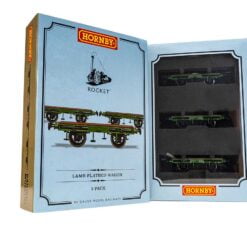
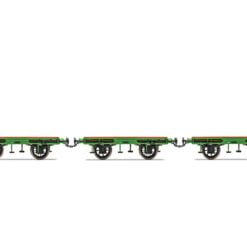
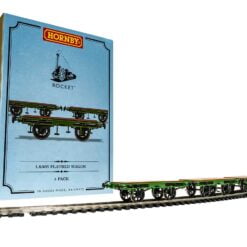
HORNBY R60014 Flat Bed Wagon Pack containing 3 x Flat Bed wagons (Stephenson’s Rocket)
£85.00
Out of stock
Product Info
General goods vehicles, or ‘Merchandise Waggons’ of the later Stephenson period were simple four-wheeled platform vehicles with sprung 3′ diameter wheels and were typically around 14′ in length, ‘with a superficial surface of platform area of seventy-five square feet’ able to carry ‘a considerable quantity of light goods’ of ‘about four tons weight.’ By 1841 dumb-buffers and coupling chains were fitted and as the decade progressed, the length of the waggons shortened and the width increased, creating a greater load area.The fitment of loose sides of around 2′ in height allowed for the carriage of coal and loads were protected by canvas tarpaulins painted with the company initials to prevent their theft, with each waggon having its number, weight and gauge clearly marked in white paint on a black background. As travel time by railway was superior to that of road travel by coach, coach companies sought new ways to compete, leading to mail coaches and stagecoaches being loaded onto the ‘open carriage waggons’ for onward travel to places such as Liverpool or Manchester.These connecting, or ‘branch coaches’ were to become the antecedent for the Branch Line railways of the future.
Tech Specs
Item Length – Without Packaging (cm)
7.5
Item Scale
1:76 Scale 00 Gauge
Finish
Painted
Colour
Green
Gauge
OO
Operator
Liverpool & Manchester
Livery
Liverpool and Manchester
Minimum Curve (mm)
Radius 1
| Weight | 0.6 kg |
|---|---|
| Barcode | |
| Manufacturer | |
| Manufacturer Part number |
Only logged in customers who have purchased this product may leave a review.




Reviews
There are no reviews yet.