
-
×
 Bachmann 39-250A Mk1 RFO Restaurant open M5 in BR blue & grey
1 × £47.95
-
×
 BACHMANN 39-422 BR Mk1 POS Post Office Sorting Van Royal Mail TPO
1 × £69.95
-
×
HELJAN HN9622 NEWTON CHAMBERS CAR CARRIER SET BR MAROON E96287/291/294E
1 × £229.00
-
×
BACHMANN 39-782 LMS 50ft Inspection Saloon BR InterCity (Swallow)
1 × £89.95
-
×
HORNBY R40163 GNER, Mk4 Open First, Coach K - Era 9
1 × £44.99
-
×
HORNBY R40194 Transport for Wales, Mk4 Standard (End), 12219 - Era 11
1 × £44.99
-
×
BACHMANN 39-462 LMS 57ft 'Porthole' Brake Second Corridor BR Blue & Grey
1 × £79.96
-
×
HORNBY R40165 GNER, Mk4 Open First, Coach M - Era 9
1 × £44.99
-
×
HORNBY R40166A GNER, Mk4 Standard, Coach D - Era 9
2 × £44.99
-
×
BACHMANN 39-275A BR Mk1 GUV General Utility Van Royal Mail Letters
1 × £58.96
-
×
BACHMANN 39-735DC BR Mk2F DBSO (Refurb.) Driving Brake Sec. Open BR InterCity (Swallow)
1 × £149.95
-
×
HORNBY R40185 Transport for Wales Mk4 Open First Accessible Toilet 11324
1 × £44.99
-
×
HORNBY R40245 East Coast, Mk3 Trailer Guard Standard, 44061 - Era 10
1 × £44.99
-
×
BACHMANN 39-413 BR Mk2A BFK Brake First Corridor BR Regional Railways
2 × £74.95
-
×
BACHMANN 39-452A LMS 57ft 'Porthole' Second Corridor BR Blue & Grey
1 × £79.96
-
×
BACHMANN 39-702 BR MK2F BSO Brake Second Open BR InterCity (Swallow)
1 × £69.95
-
×
HORNBY R40166B GNER, Mk4 Standard, Coach C - Era 9
1 × £44.99
-
×
HORNBY R40193 GNER, Mk4 Standard, Coach B - Era 9
1 × £44.99
-
×
HORNBY R40166 GNER, Mk4 Standard, Coach E - Era 9
1 × £44.99
-
×
PECO SL-E387F Curved Turnout, Large Radius, Left Hand
1 × £24.20
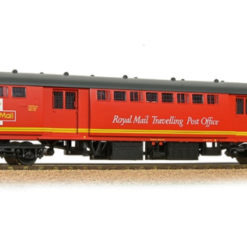 BACHMANN 39-422 BR Mk1 POS Post Office Sorting Van Royal Mail TPO
 HELJAN HN9622 NEWTON CHAMBERS CAR CARRIER SET BR MAROON E96287/291/294E
 BACHMANN 39-782 LMS 50ft Inspection Saloon BR InterCity (Swallow)
 HORNBY R40163 GNER, Mk4 Open First, Coach K - Era 9
 HORNBY R40194 Transport for Wales, Mk4 Standard (End), 12219 - Era 11
 BACHMANN 39-462 LMS 57ft 'Porthole' Brake Second Corridor BR Blue & Grey
 HORNBY R40165 GNER, Mk4 Open First, Coach M - Era 9
 HORNBY R40166A GNER, Mk4 Standard, Coach D - Era 9
 BACHMANN 39-275A BR Mk1 GUV General Utility Van Royal Mail Letters
 BACHMANN 39-735DC BR Mk2F DBSO (Refurb.) Driving Brake Sec. Open BR InterCity (Swallow)
 HORNBY R40185 Transport for Wales Mk4 Open First Accessible Toilet 11324
 HORNBY R40245 East Coast, Mk3 Trailer Guard Standard, 44061 - Era 10
 BACHMANN 39-413 BR Mk2A BFK Brake First Corridor BR Regional Railways
 BACHMANN 39-452A LMS 57ft 'Porthole' Second Corridor BR Blue & Grey
 BACHMANN 39-702 BR MK2F BSO Brake Second Open BR InterCity (Swallow)
 HORNBY R40166B GNER, Mk4 Standard, Coach C - Era 9
 HORNBY R40193 GNER, Mk4 Standard, Coach B - Era 9
 HORNBY R40166 GNER, Mk4 Standard, Coach E - Era 9
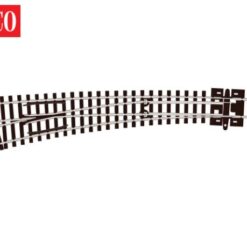 PECO SL-E387F Curved Turnout, Large Radius, Left Hand


A04023 de Havilland Mosquito B.XVI
£23.99
Out of stock
Without question, the de Havilland Mosquito qualifies as one of the finest fighting aeroplanes of the Second World War and one which could claim to be the envy of every other air force, particularly the Luftwaffe, who tried, but never quite managed to produce an equivalent aircraft. A true multi-role aircraft, the Mosquito’s famous nickname ‘The Wooden Wonder’ referenced the fact that this hugely successful British aircraft was constructed using ‘non-strategic’ materials and employed a clever system of balsa and birch plywood lamination, which gave the aircraft great strength. Although they relied on the performance and survivability of their Mosquitos, men in these units would often take its nickname a stage further and affectionately refer to their aircraft as ‘Flying Furniture’.
Developed and tested largely as a private venture and without interference from the Air Ministry, once they saw what de Havilland had managed to produce, the Ministry were suitably impressed and immediately placed an order for 150 aircraft, with the Mosquito quickly attracting a ‘priority status’ production requirement. The Mosquito was one of the fastest aircraft in the world at that time and one which would prove to be something of an aviation phenomenon – although initially intended as a high speed bomber, Mosquitos would also operate as day and night fighters, pathfinders, night intruders, maritime strike and reconnaissance aircraft.
Once the first production aircraft started reaching RAF squadrons towards the end of 1941, the de Havilland Mosquito quickly showed itself to be one of the most valuable assets available to the Royal Air Force, a real war winner and one which would serve with distinction for the remainder of the conflict. Originally conceived as a high speed bomber for the RAF, the final major bomber variant of the de Havilland Mosquito was the B.XVI, with deliveries to front line squadrons starting from 1944. This was a development of the earlier B.IX variant and one which had been optimised for high altitude operation, incorporating a new pressurised cabin. Another unarmed version of the Mosquito, the B.XVI could carry a 3,000lb bomb load, however, all but the first 12 aircraft from a total production run of 402 machines incorporated modifications to allow a 4,000lb ‘Cookie’ or blockbuster bomb to be carried internally, a weapon which possessed devastating destructive capability.
Combining the power of these fearsome weapons with the legendary speed and bombing accuracy associated with Mosquito operations allowed Bomber Command to keep the pressure on the enemy throughout the latter stages of WWII. Interestingly, these huge bombs were exactly four times the weight of the original bomb load this exceptional aircraft was designed to carry, which is testament to the strength of the Mosquito’s construction techniques. Optimised for high altitude operations, this final major bomber variant of the Mosquito could be powered by several different ‘seventy series’ versions of the Rolls Royce Merlin engine, in addition to incorporating a modified wing, which could now accept either a 50 or 100 gallon paper drop-tank on either side and up to four externally mounted 500lb bombs, further enhancing the strategic capabilities of this superb aircraft.
By the end of its ten year production run, which began in 1940, almost 8,000 of these highly effective warplanes had been constructed. For an aircraft which earned such an impressive wartime reputation, it is sobering to think that the Mosquito may have been stopped in its tracks, as Air Ministry officials were initially concerned that work on this new aircraft project might disrupt production of the Tiger Moth training biplane, something they could not allow to happen. Thankfully, designers at de Havilland knew they were on to a winner and were determined to see their magnificent new aircraft fly.
| Weight | 0.4 kg |
|---|---|
| Barcode | |
| Manufacturer | |
| Manufacturer Part number |
Only logged in customers who have purchased this product may leave a review.



Reviews
There are no reviews yet.